

The Ultimate Guide to Wallet Care: Make Your Leather Wallet Last a Lifetime

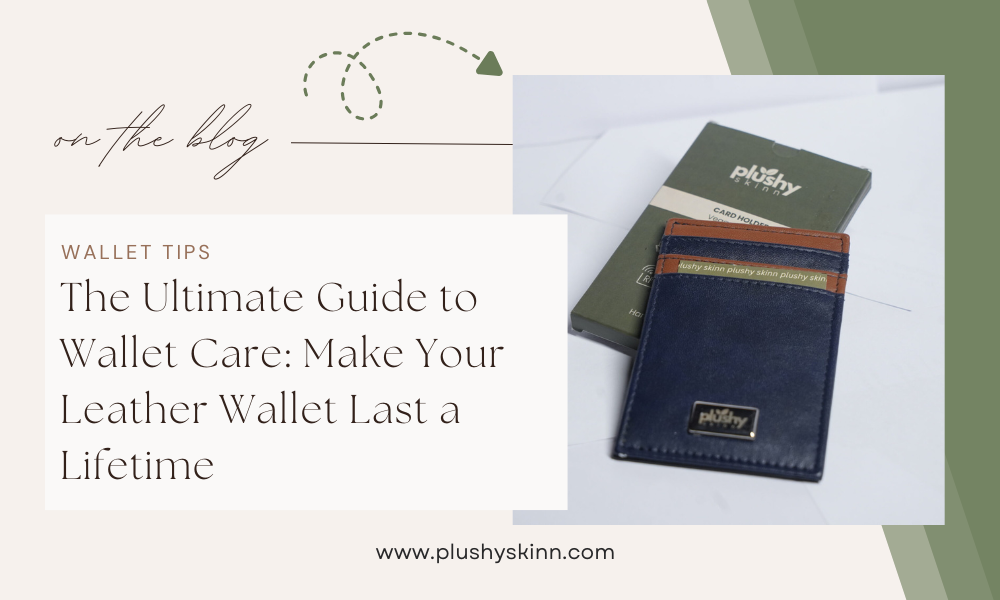
You’ve invested in a quality leather wallet—a daily companion that holds your most essential items. With proper care and maintenance, that wallet can serve you faithfully for years, developing character and patina that only genuine leather can achieve. Yet, many people treat their wallets as disposable accessories, replacing them every year or two when simple maintenance could have extended their life indefinitely.
Let’s explore how to properly care for your wallet, ensuring it remains both functional and beautiful for years to come.
Understanding Leather: The Foundation of Good Care
Before diving into specific care techniques, it’s essential to understand what leather actually is and how it behaves. Leather is animal hide that has been treated and preserved—it’s a natural, organic material that responds to its environment. Think of it as skin that needs moisture, protection, and gentle treatment to stay supple and strong.
Different types of leather require slightly different care approaches. Full-grain leather, the highest quality option, maintains the hide’s natural surface and develops a rich patina over time. Top-grain leather has been lightly sanded and treated for a more uniform appearance. Both types benefit from regular conditioning, but full-grain leather is more forgiving and improves dramatically with age.
Understanding your wallet’s specific leather type helps you provide appropriate care. Check any documentation that came with your wallet, or consult the manufacturer if you’re unsure.
Daily Care: Prevention is Better Than Cure
The best wallet care begins with how you treat it every single day. Simple habits can prevent most common problems before they start.
First and foremost, avoid overstuffing your wallet. Every time you jam another receipt or card into an already full wallet, you’re stretching the leather and stressing the stitching. This constant strain leads to premature wear, stretched pockets that no longer grip cards securely, and eventually, structural failure.
Keep your wallet in appropriate places. Avoid leaving it in direct sunlight for extended periods, as UV rays can fade and dry out leather. Don’t place it on radiators or near heat sources. Excessive heat causes leather to crack and become brittle.
Moisture is another concern. While leather can handle some exposure to moisture, prolonged dampness can lead to mold, mildew, and structural damage. If your wallet gets wet, dry it naturally at room temperature—never use a hair dryer or place it near a heat source, as rapid drying causes cracking.
The Essential Cleaning Routine
Even with careful daily use, your wallet accumulates dirt, oils from your hands, and environmental grime. Regular cleaning prevents this buildup from damaging the leather or creating permanent stains.
For routine cleaning, a soft, slightly damp cloth is your best tool. Gently wipe down all surfaces of your wallet, paying particular attention to areas that see the most contact, like edges and card slots. The cloth should be barely damp—excess water can stain or damage leather.
For stubborn dirt or stains, you can use a specialized leather cleaner. Apply a small amount to a clean cloth (never directly to the leather) and work it into the affected area using gentle, circular motions. Always test any cleaning product on an inconspicuous area first to ensure it doesn’t discolor or damage your wallet.
Avoid household cleaners, soaps, or harsh chemicals. These can strip the natural oils from leather, causing it to dry out and crack. Similarly, never use baby wipes, alcohol-based cleaners, or ammonia products on leather.
After cleaning, allow your wallet to dry completely before conditioning or using it. This usually takes several hours at room temperature.
Conditioning: The Key to Longevity
Conditioning is perhaps the most important maintenance task for leather wallets. Leather naturally loses moisture over time, especially with regular handling and exposure to air. Conditioning replaces these oils, keeping the leather supple, preventing cracks, and maintaining its water resistance.
How often should you condition your wallet? This depends on several factors: how frequently you use it, the climate you live in, and the type of leather. As a general rule, conditioning every three to six months suffices for most wallets. In very dry climates or with daily use, you might need to condition more frequently. The leather itself will tell you—if it starts looking dull or feeling stiff, it’s time to condition.
Choose a quality leather conditioner specifically designed for the type of leather your wallet is made from. Avoid products containing petroleum or silicone, as these can actually damage leather over time. Natural products with ingredients like beeswax, lanolin, or mink oil are excellent choices.
To condition your wallet, start with a clean surface. Apply a small amount of conditioner to a soft cloth—a little goes a long way. Gently massage the conditioner into the leather using circular motions, ensuring even coverage. Pay special attention to areas that bend or flex, as these are most prone to drying and cracking.
After application, allow the conditioner to absorb for at least 30 minutes (or as directed by the product). Then, buff the wallet with a clean, dry cloth to remove any excess and restore shine. Your wallet should feel slightly softer and look richer in color.
Addressing Common Problems
Even with excellent care, issues can arise. Here’s how to handle the most common wallet problems:
Water Spots and Stains: If your wallet gets wet and develops water spots, don’t panic. Dampen the entire affected panel evenly with distilled water (tap water can leave mineral deposits). This helps the water dry uniformly, preventing distinct spots. Let it dry naturally, then condition once completely dry.
Scratches and Scuffs: Minor scratches often buff out with gentle rubbing using a soft cloth. For deeper scratches, apply a small amount of leather conditioner to the area and massage gently. The oils help blend the scratch with the surrounding leather. Some scratches will remain visible but will blend into the wallet’s patina over time.
Color Fading: Regular conditioning helps maintain color vibrancy. If your wallet has significantly faded, you might consider a leather dye or cream in a matching color. However, many people appreciate the natural fading and color variation that develops with use, as it adds character.
Stretched Pockets: If card pockets have stretched and no longer grip cards securely, try this: slightly dampen the stretched leather (don’t soak it), then insert something slightly thicker than your cards (like a folded piece of cardboard) and let the wallet dry. The leather will shrink slightly as it dries, hopefully tightening the pockets.
Odors: Leather can absorb odors from its environment. To remove unwanted smells, place your empty wallet in a sealed container with baking soda for 24-48 hours. The baking soda absorbs odors without damaging the leather. Alternatively, activated charcoal works well. Never spray perfume or air freshener directly on leather.
Storage: When Your Wallet Needs a Rest
If you rotate between multiple wallets or need to store one for an extended period, proper storage ensures it remains in excellent condition.
Store wallets in a cool, dry place away from direct sunlight. Avoid plastic bags, which can trap moisture and promote mold growth. Instead, use a breathable fabric bag or keep the wallet in its original box if it came with one.
Before storing, clean and condition the wallet thoroughly. This ensures it goes into storage in optimal condition and won’t develop problems while unused.
If possible, store the wallet flat or upright rather than folded or compressed under other items. This helps maintain its shape. For folding wallets, insert tissue paper to help them maintain their form without causing stretching.
Check on stored wallets periodically. Even in storage, leather benefits from occasional air circulation and inspection for any developing issues.
The Patina Process: Embracing Change
One of the most beautiful aspects of quality leather wallets is how they develop patina—a natural sheen and color variation that develops with age and use. This isn’t damage; it’s character development that makes your wallet uniquely yours.
Patina results from natural oils in your hands, exposure to light, and general use. It cannot be artificially replicated, which is why vintage leather goods are so prized. Areas you touch frequently will darken and soften more quickly, creating a natural highlighting effect.
Rather than fighting this process, embrace it. Proper care doesn’t prevent patina—it ensures the aging process is beautiful rather than degrading. A well-maintained leather wallet will develop rich, warm tones and a subtle luster that only improves with time.
Special Considerations for Different Colors
Different colored wallets require slightly different care approaches:
Black Wallets: These show less dirt but can develop gray streaks if not cleaned regularly. Black leather sometimes fades to brown tones with age—conditioning helps minimize this but won’t prevent it entirely.
Brown and Tan Wallets: These develop patina most dramatically and beautifully. They may show dirt more readily than black wallets, making regular cleaning important.
Colored or Dyed Leather: Be especially gentle with colored leather, as aggressive cleaning can fade the dye. Always test products in hidden areas first.
When to Consider Replacement
With proper care, a quality leather wallet should last many years—often a decade or more. However, there comes a time when repair or replacement becomes necessary.
Consider replacement when:
- The stitching has failed in multiple places and cannot be economically repaired
- The leather has developed holes or tears beyond repair
- Card slots are so stretched that they no longer function
- The leather has become brittle and begins cracking despite conditioning
Sometimes, professional leather repair services can extend a wallet’s life by replacing stitching, reinforcing weak areas, or re-dyeing faded leather. If your wallet has sentimental value or is a particularly high-quality piece, professional repair may be worthwhile.
Final Thoughts: The Value of Care
Caring for your leather wallet isn’t just about prolonging its functional life—it’s about respecting quality craftsmanship and reducing waste. A well-maintained wallet becomes a trusted companion, conforming to your needs while telling the story of your journey through its unique patina and wear patterns.
The time you invest in wallet care—just a few minutes every few months—pays dividends in extended life, maintained appearance, and the satisfaction of caring for quality items. In our disposable culture, there’s something deeply rewarding about maintaining and using items that improve with age rather than deteriorate.
Your wallet holds your most essential items daily. Doesn’t it deserve a few minutes of care in return? Start implementing these care practices today, and your wallet will serve you faithfully for years to come, becoming more beautiful and characterful with each passing month.

